Chapter 1 Basic Concepts of Words and Vocabulary 1. The definition of a word: A word is a minimal free fo ...
CET3 考研 Freekaoyan.com 2008-04-06 Chapter 4 Word Formation II 1.Affixation Affixation is the process of forming words by adding derivatio ...
CET3 考研 Freekaoyan.com 2008-04-06 Chapter 2 The Development of the English Vocabulary 1.The Indo-European Language Family 2.A Historical O ...
CET3 考研 Freekaoyan.com 2008-04-06 Chapter 6 Sense Relations and Semantic Field 1.Polysemy Polysemy refers to the phenomenon in which one an ...
CET3 考研 Freekaoyan.com 2008-04-06 Chapter 5 Word Meaning 1.The meaning of "meaning" 1.1 Reference Reference is the conventional or arb ...
CET3 考研 Freekaoyan.com 2008-04-06 Chapter 7 Changes in Word Meaning 1.Types of changes 1)Extension The extension of meaning, the opposit ...
CET3 考研 Freekaoyan.com 2008-04-06 Chapter 9 English Idioms 1. Characteristics of idioms 1) Semantic unity Each idiom is a semantic u ...
CET3 考研 Freekaoyan.com 2008-04-06 Chapter 8 Meaning and Context 1. Types of context 1)Extra-linguistic context It is also called non- ...
CET3 考研 Freekaoyan.com 2008-04-06 Chapter 10 English dictionaries 1.Types of dictionaries 1) Monolingual dictionaries vs.bilingual diction ...
CET3 考研 Freekaoyan.com 2008-04-06 1) 情态动词不能表示正在发生或已经发生的事情,只表示期待或估计某事的发生。 2) 情态动词除ought 和have 外,后面只能 ...
CET3 考研 Freekaoyan.com 2008-04-06 1) 表示允许或请求;表示没有把握的推测;may 放在句首,表示祝愿。例如: May God bless you! 愿上帝保佑你! He ...
CET3 考研 Freekaoyan.com 2008-04-06 1)can/could 表示能力;可能 (过去时用could), 只用于现在式和过去式(could)。be able to可以用于各种时态。例如: ...
CET3 考研 Freekaoyan.com 2008-04-06 1) must用在肯定句中表示较有把握的推测,意为"一定". 2) must表对现在的状态或现在正发生的事情的推测时,must 后面通 ...
CET3 考研 Freekaoyan.com 2008-04-06 1) 两词都是'必须'的意思,have to 表示客观的需要,must 表示说话人主观上的看法,既主观上的必要。例如: My brothe ...
CET3 考研 Freekaoyan.com 2008-04-06 can, could, may, might, must 皆可表示推测,其用法如下: 1)情态动词+动词原形,表示对现在或将来的情况的推测, ...
CET3 考研 Freekaoyan.com 2008-04-06 1) may(might) have + done sth, can (could) have + done sth 表示过去,推测过去时间里可能发生的事情。例如: ...
CET3 考研 Freekaoyan.com 2008-04-06 除了上述的用法,两者还可表示"想必一定,按理应该"的意思。例如: I ought to be able to live on my salary. 靠我的薪 ...
CET3 考研 Freekaoyan.com 2008-04-06 had better表示"最好",相当于一个助动词,它只有一种形式,它后面要跟动词原形。例如: It is pretty cold. You'd bette ...
CET3 考研 Freekaoyan.com 2008-04-06 would rather do would rather not do would rather… than… 宁愿…而不愿。 还有would sooner, had rather, ...
CET3 考研 Freekaoyan.com 2008-04-06 注意:1)would like;would like to do = want to 想要,为固定搭配。例如: Would you like to go with me? 想和我一块 ...
CET3 考研 Freekaoyan.com 2008-04-06 问句 肯定回答 否定回答 Need you…? Yes, I must. No, I needn't Must you…? No, I don't have to. ...
CET3 考研 Freekaoyan.com 2008-04-06这两词既可做实义动词用,又可做情态动词用。作为情态动词,两者都只能用于疑问句,否定句和条件句。need 作实义动词时后面的不定 ...
CET3 考研 Freekaoyan.com 2008-04-06 带to 的情态动词有四个:ought to, have to, used to, be to, 如加上have got to (=must), be able to,为六个。它们 ...
CET3 考研 Freekaoyan.com 2008-04-06 such 是形容词,修饰名词或名词词组,so是副词,只能修饰形容词或副词。so 还可与表示数量的形容词many,few,much, little ...
CET3 考研 Freekaoyan.com 2008-04-06 1) for是并列连词,不能置于含两个并列分句的句子的句首,只能将其放在两个分句中间。 判断改错:(错) For he is ill, ...
CET3 考研 Freekaoyan.com 2008-04-06 1) but表示转折,while表示对比。例如: Some people love cats, while others hate them.有些人喜欢猫,而有些人不喜 ...
CET3 考研 Freekaoyan.com 2008-04-06 1) 并列结构中,or通常用于否定句,and用于肯定句。 2) 但有时and 也可用于否定句。请注意其不同特点: There is n ...
CET3 考研 Freekaoyan.com 2008-04-06 1) or意思为"否则".例如: I must work hard, or I'll fail in the exam. 我要努力学习,否则考试要不及格了。 2) ...
CET3 考研 Freekaoyan.com 2008-04-06 并列连词引导两个并列的词、词组或句子。 1) and 与or 判断改错:(错)They sat down and talk about something. ...
CET3 考研 Freekaoyan.com 2008-04-06tragedy 悲剧 one-act play 独幕剧 opera 歌剧 farce 滑稽戏, 趣剧 (stage) play 话剧 Beijing opera 京剧 ...
CET3 考研 Freekaoyan.com 2008-04-06 7 情态动词+ have +过去分词 1) may(might) have + done sth, can (could) have + done sth 表示过去,推测过去时间 ...
CET3 考研 Freekaoyan.com 2008-04-06 9 had better表示“最好” had better 相当于一个助动词,它只有一种形式,它后面要跟动词原形。 had better do sth ...
CET3 考研 Freekaoyan.com 2008-04-06 3 比较may和might 1) 表示允许或请求;表示没有把握的推测;may 放在句首,表示祝愿。 May God bless you! He m ...
CET3 考研 Freekaoyan.com 2008-04-06 5 must表示推测 1) must用在肯定句中表示较有把握的推测,意为“一定”。 2) must表对现在的状态或现在正发生的事情 ...
CET3 考研 Freekaoyan.com 2008-04-06 1 情态动词的语法特征 1) 情态动词不能表示正在发生或已经发生的事情,只表示期待或估计某事的发生。 2) 情态动词 ...
CET3 考研 Freekaoyan.com 2008-04-06 名词可以分为专有名词(Proper Nouns)和普通名词 (Common Nouns),专有名词是某个(些)人,地方,机构等专有的名称,如Bei ...
CET3 考研 Freekaoyan.com 2008-04-06 情况 构成方法 读音 例词 __________________________________________________ 一般情况 ...
CET3 考研 Freekaoyan.com 2008-04-06 1)child——children foot——feet tooth——teeth mouse——mice man——men woman——women 注意:与 ma ...
CET3 考研 Freekaoyan.com 2008-04-06 1) 以y结尾的专有名词,或元音字母+y 结尾的名词变复数时,直接加s变复数: 如: two Marys the Henrys monk ...
CET3 考研 Freekaoyan.com 2008-04-06 4)以s结尾,仍为单数的名词,如: a. maths,politics,physics等学科名词,为不可数名词,是单数。 b. news 是不可 ...
CET3 考研 Freekaoyan.com 2008-04-06名词作定语一般用单数,但也有以下例外。 1) 用复数作定语。 如:sports meeting 运动会 students reading-room 学生 ...
CET3 考研 Freekaoyan.com 2008-04-06 1)物质名词 a. 当物质名词转化为个体名词时。 比较: Cake is a kind of food. 蛋糕是一种食物。 (不可数) ...
CET3 考研 Freekaoyan.com 2008-04-06 名称 总称(谓语用复数) 一个人 两个人 中国人 the Chinese a Chinese two Chinese 瑞士人 ...
CET3 考研 Freekaoyan.com 2008-04-06 在英语中有些名词可以加"'s"来表示所有关系,带这种词尾的名词形式称为该名词的所有格,如:a teacher's book.名词所有格的规则 ...
CET3 考研 Freekaoyan.com 2008-04-06冠词是虚词,本身不能单独使用,也没有词义,它用在名词的前面,帮助指明名词的含义。英语中的冠词有三种,一种是定冠词(the De ...
CET3 考研 Freekaoyan.com 2008-04-06 7)表示所有,相当于物主代词,用在表示身体部位的名词前: She caught me by the arm…… 她抓住了我的手臂。 8) ...
CET3 考研 Freekaoyan.com 2008-04-06定冠词 the 与指示代词this, that同源,有"那(这)个"的意思,但较弱,可以和一个名词连用,来表示某个或某些特定的人或东西。 ...
CET3 考研 Freekaoyan.com 2008-04-06 1) 国名,人名前通常不用定冠词:England,Mary; 2)泛指的复数名词,表示一类人或事物时,可不用定冠词; They ...
CET3 考研 Freekaoyan.com 2008-04-06 7)在三餐、球类运动和娱乐运动的名称前,不加冠词 如:have breakfast,play chess 8)当两个或两个以上名词并用时, ...
CET3 考研 Freekaoyan.com 2008-04-06 1) 两个形容词都有冠词,表示两个不同东西。 He raises a black and a white cat. 他养了一只黑猫和一只白猫。 T ...
CET3 考研 Freekaoyan.com 2008-04-06
 优惠券领取后72小时内有效,10万种最新考研考试考证类电子打印资料任你选。涵盖全国500余所院校考研专业课、200多种职业资格考试、1100多种经典教材,产品类型包含电子书、题库、全套资料以及视频,无论您是考研复习、考证刷题,还是考前冲刺等,不同类型的产品可满足您学习上的不同需求。 ...考试优惠券 本站小编 Free壹佰分学习网 2022-09-19
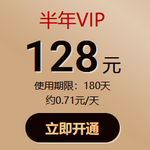 平常需要几十块钱一本的电子书,开了VIP会员任您畅读。VIP会员均可免费使用本站在售的万余种考研考证基础类产品(电子书、题库、视频课程、全套资料等)。万种考研考证电子书、题库、视频随便看,每本不到一分钱。产品涵盖全国500余所院校考研专业课、200多种职业资格考试、1100多种经典教材,产品类型包含电子书、题库、全套资料以及视频,无论您是考研复习、考证刷题,还是考前冲刺等,不同类型的产品可满足您学习上的不同需求。 ...半年VIP购买 本站小编 Free壹佰分学习网 2022-09-19
